Diagnosis:
Heart Failure generally start on the left side of the heart, if untreated the disease can be progressively worse by fluid back up to the lungs, causes shortness of breath or pulmonary edema. Over time, the failure of the left side of the heart will effect the right side of the heart, which will cause fluid back up to the system, such as swelling of the feet and ankles, in the liver, palpitation or irregular heart beat and weakness. When doctors suspect you have a heart failure, the doctors will most likely do a Echo Cardiogram, Chest x-ray, Stress test, Blood test, Cardiac computerized tomography (CT) scan, Magnetic Resonance Imaging (MRI), Coronary Angiogram, or Electrocardiogram (EKG).


Heart Failure generally start on the left side of the heart, if untreated the disease can be progressively worse by fluid back up to the lungs, causes shortness of breath or pulmonary edema. Over time, the failure of the left side of the heart will effect the right side of the heart, which will cause fluid back up to the system, such as swelling of the feet and ankles, in the liver, palpitation or irregular heart beat and weakness. When doctors suspect you have a heart failure, the doctors will most likely do a Echo Cardiogram, Chest x-ray, Stress test, Blood test, Cardiac computerized tomography (CT) scan, Magnetic Resonance Imaging (MRI), Coronary Angiogram, or Electrocardiogram (EKG).
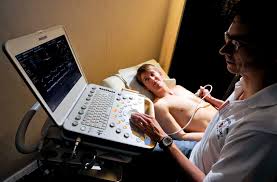
Electrocardiogram: is a sound wave ultrasound to produce a video image of your heart. This test allow the doctor to see the blood movement of the heart, the size and shape of the heart and how well the heart is pumping. It can help doctors look for valve problems or evidence of previous heart attacks, and other heart abnormalities.

X Ray: can help your doctor to see the condition of the lungs and heart. In heart
failure, your heart may appear enlarged and fluid buildup may be visible
in your lungs. Your doctor can also use an X-ray to diagnose conditions
other than heart failure that may explain your signs and symptoms.

Stress Test: The doctor will asked you to walk on a treadmill or pedal a stationary bike while attached to an ECG machine. This is to measure how is your heart and blood vessels respond to exertion, and other heart problem.
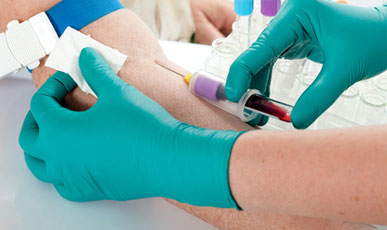
Blood Test: Your doctor may take a sample of your blood to check your kidney,
liver and thyroid function and to look for indicators of other diseases
that affect the heart.
A blood test to check for a chemical called N-terminal pro-B-type
natriuretic peptide (NT-proBNP) may help in diagnosing heart failure if
the diagnosis isn't certain when used in addition to other tests.
Coronary Angiogram: when a doctor suspect you have a heart failure, it might want you to do a Coronary Angiogram. In this test, a thin, flexible catheter will inserted into a blood vessel at either the groin site or at the arm. A dye will injected through the catheter makes the arteries supplying your heart visible on an x ray. This will help doctor identify narrowed arteries of the heart.
EKG: show the electrical activity of your heart through electrodes attached to the skin. The impulses are recorded as waves and displayed on a monitor or printed on paper. This test helps the doctor diagnose heart rhythm problems.
MRI: is a magnetic field aligns atomic particles in some of the cells, when radio wave are broadcast toward these aligned particles, they produces images of the heart. This is to evaluate the structure and function of the heart.
References:
Heart Disease and MRI Testing. (n.d.). Retrieved January 30, 2015, from http://www.webmd.com/heart-disease/guide/heart-mri
Heart failure. (2015, January 17). Retrieved January 30, 2015, from
http://www.mayoclinic.org/diseases-conditions/heart-failure/basics/tests-diagnosis/con-20029801

